Relocatable homes: the underrated investment play many NZ investors overlook
Cost arbitrage vs new builds, financing nuances, and a founder walkthrough of moving a house from Auckland to Waikato — plus pitfalls to avoid before you commit.
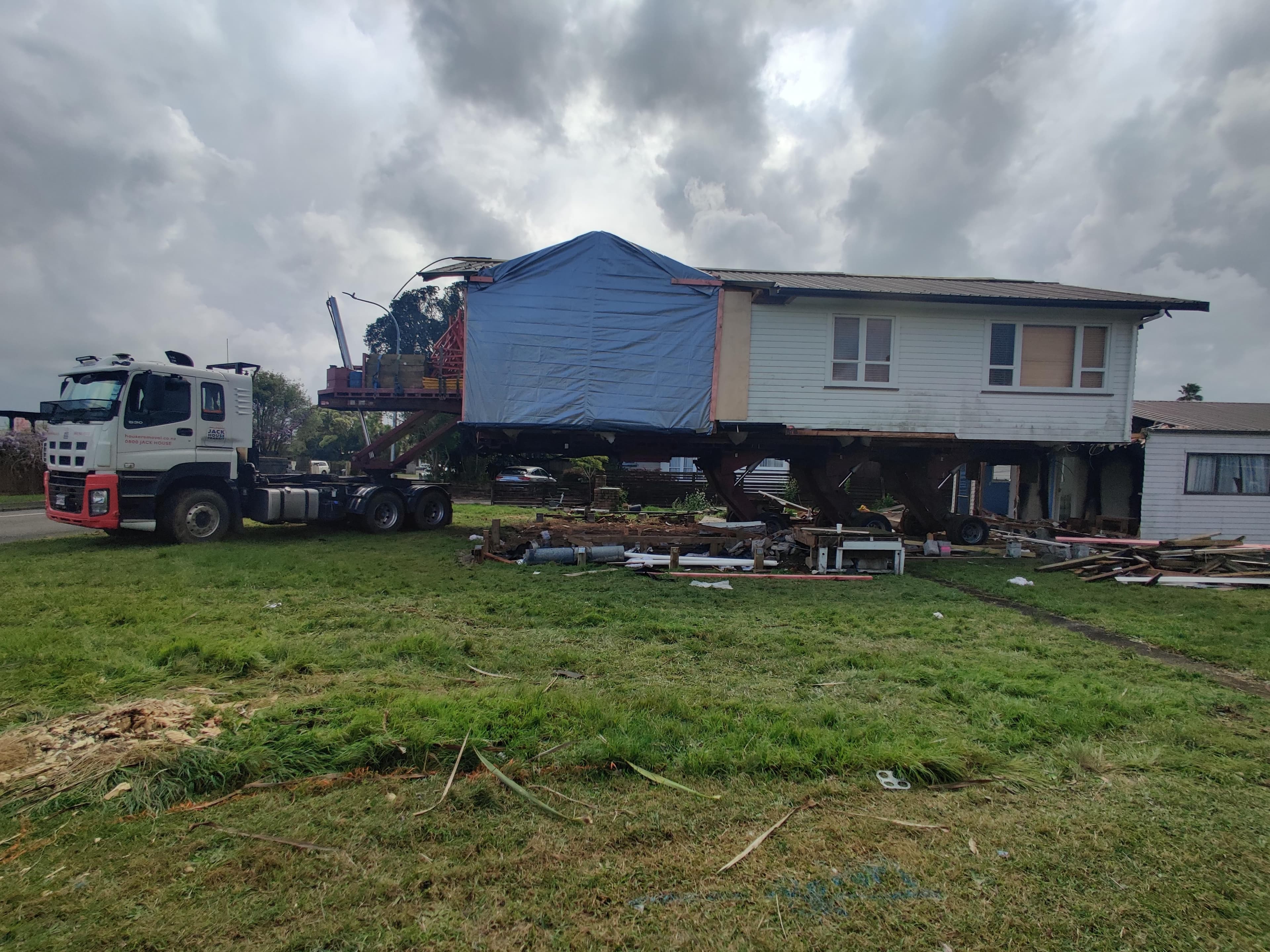
The idea
When most people picture property investment, they think auctions and building reports. Another path is sourcing a house in one place and placing it on bare land elsewhere. That is the relocatable home strategy — well established in New Zealand, but still underused by everyday investors.
New Zealand has moved houses since the 1960s. Done right, relocatables can create meaningful equity for less than a conventional new build. For many investors the category still feels unfamiliar — which is exactly why it deserves a closer look.
What the research highlights
| Signal | Takeaway |
|---|---|
| ~$50K+ | Typical floor for house purchase plus relocation (before site works, services, and renovation). |
| $462K+ | Indicative NZ average new-build context (2025) — relocatable + works can sit well under comparable new-build totals. |
| 3–4 months | A realistic purchase-to-delivery window when logistics and consenting stay on track. |
Finding 1 — Cost arbitrage
Construction costs have risen sharply (often cited in the 30–40% range over recent years), which makes relocatables a genuine alternative to building new. A modest ~120 m² three-bedroom new build can land around $420K+ on build alone at roughly $3,500/m². A relocatable path — house and move often discussed in the ~$50K–$150K range, plus site works, services, and renovation — can still finish materially below many new-build comparables. The gap is where investor margin can form.
Finding 2 — NZ stock quality
New Zealand has deep stocks of older timber homes suited to relocation: early-1900s villas and bungalows, and state or weatherboard homes from the 1950s–1970s. Native-timber framing is often robust enough for a split-move-rejoin sequence — harder to replicate with brick-and-tile construction.
Finding 3 — Financing
Until a dwelling is fixed on site, lender security differs from a standard staged construction draw. In practice some investors use second-tier lenders for the messy middle, then refinance to mainstream banking once Code Compliance Certificate (CCC) is in place. It is an extra step, but navigable with the right advice — especially as rates ease from peak-cycle levels.
From the founder's desk: how it actually went
This is not theory only — I have run a relocatable project end to end. Here is the condensed playbook from that experience.
1. Land — bare section in Te Awamutu, Waikato
A bare section in a town with strong liveability — schools, amenity, and land values that had not fully repriced to match. Blank canvas land, in the right pocket, can carry outsized option value.
2. House — sourced from Te Atatu, Auckland
Relocation listings often come from vendors clearing a site for development. That can mean character timber stock at prices that no longer exist for equivalent new construction.
3. Cut, move, overnight logistics
The dwelling was halved and moved overnight — road closures, permits, and oversize convoy discipline matter more than optimism. When it works, it is unforgettable to watch.
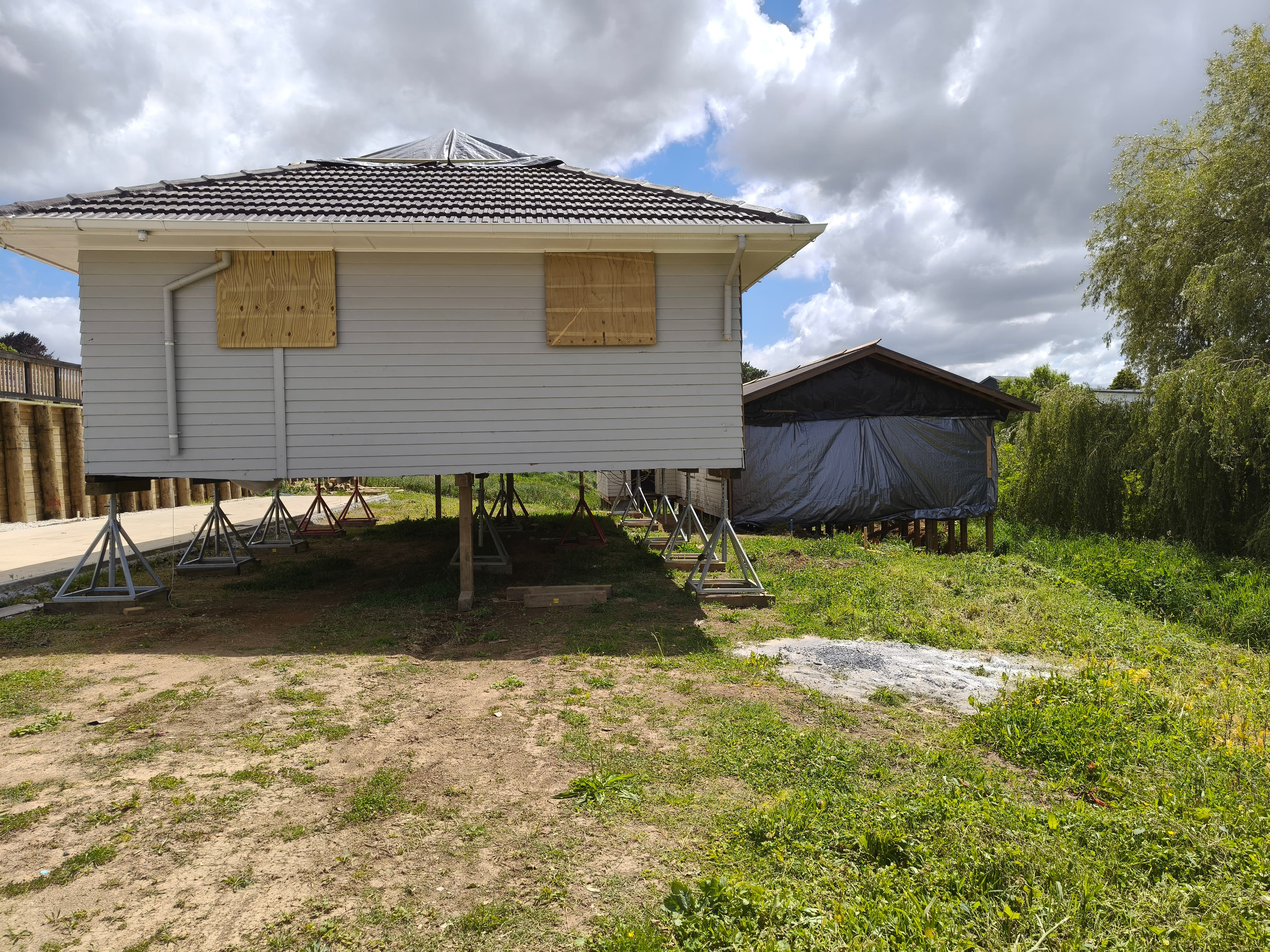
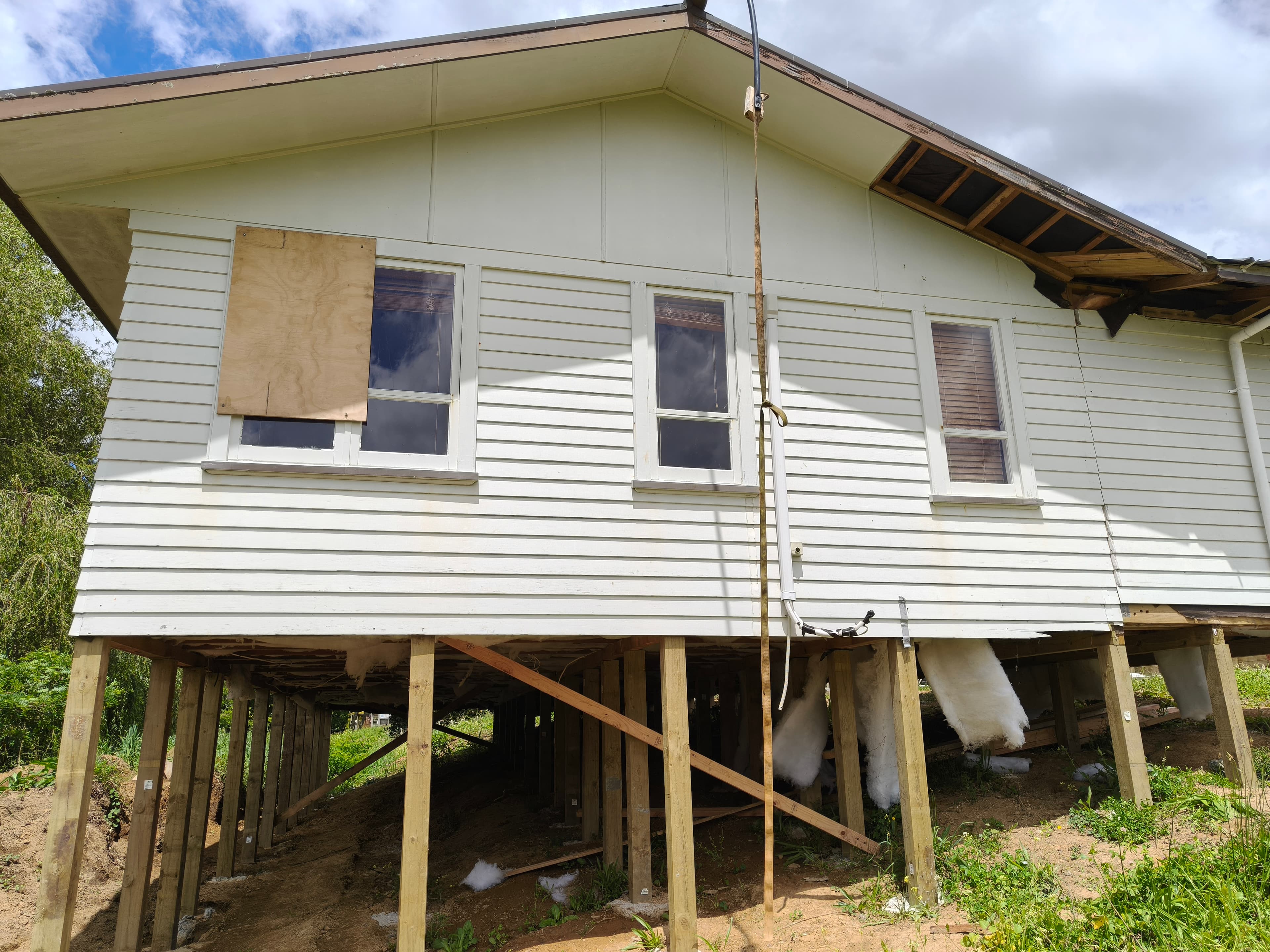
4. Set on regulation NZ piles
Engineered piles, council inspection, and a foundation you can trust. Everything else sits on this layer.
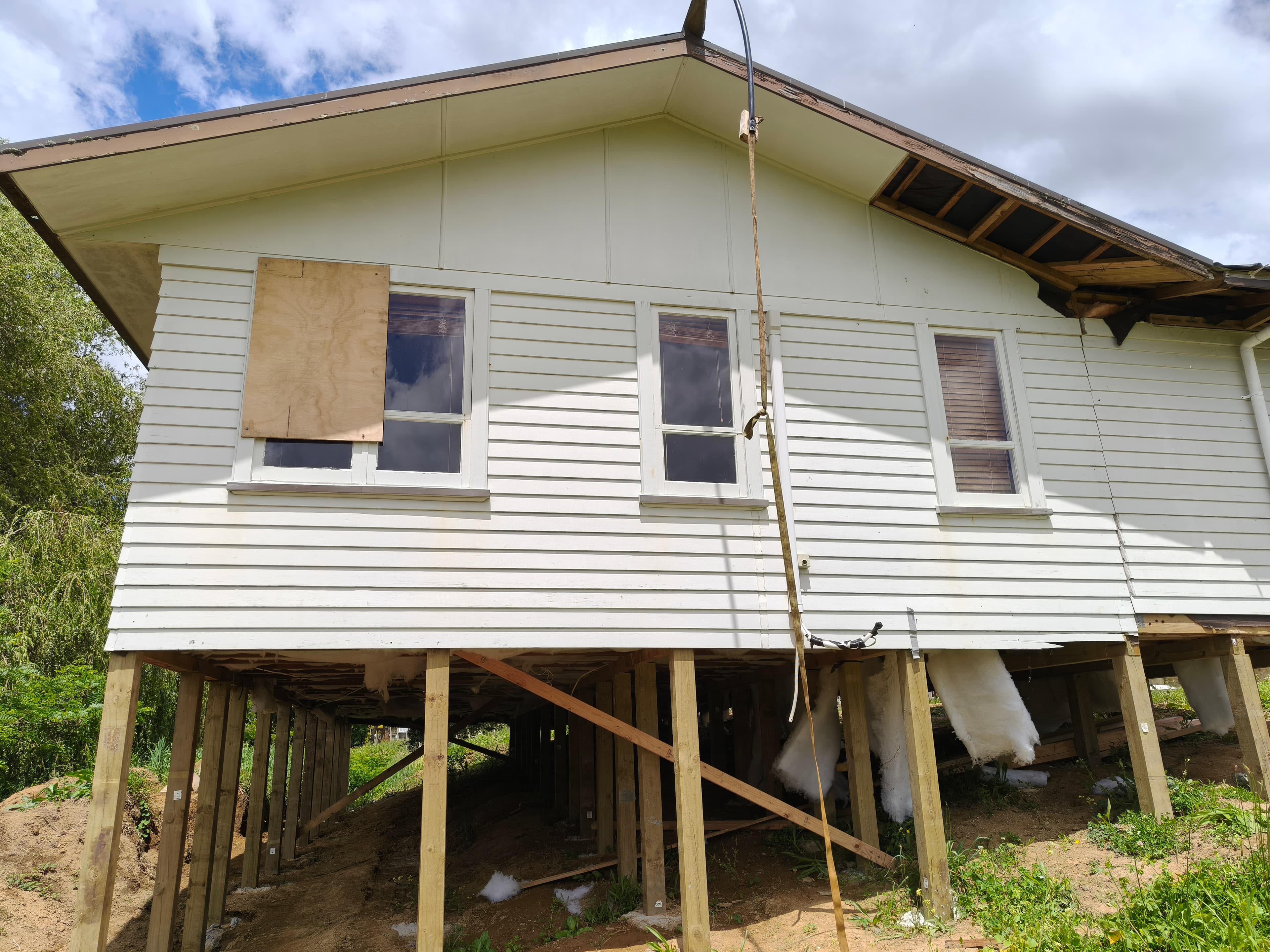
5. High-standard renovation
Kitchen, bathrooms, joinery, and finishes to a spec that reads like new — while keeping the craftsmanship story of the original build.
6. Circular economics
A home that might have been demolished instead travels, resets, and returns to the housing stock. Less landfill, more reuse — at a time New Zealand needs both.
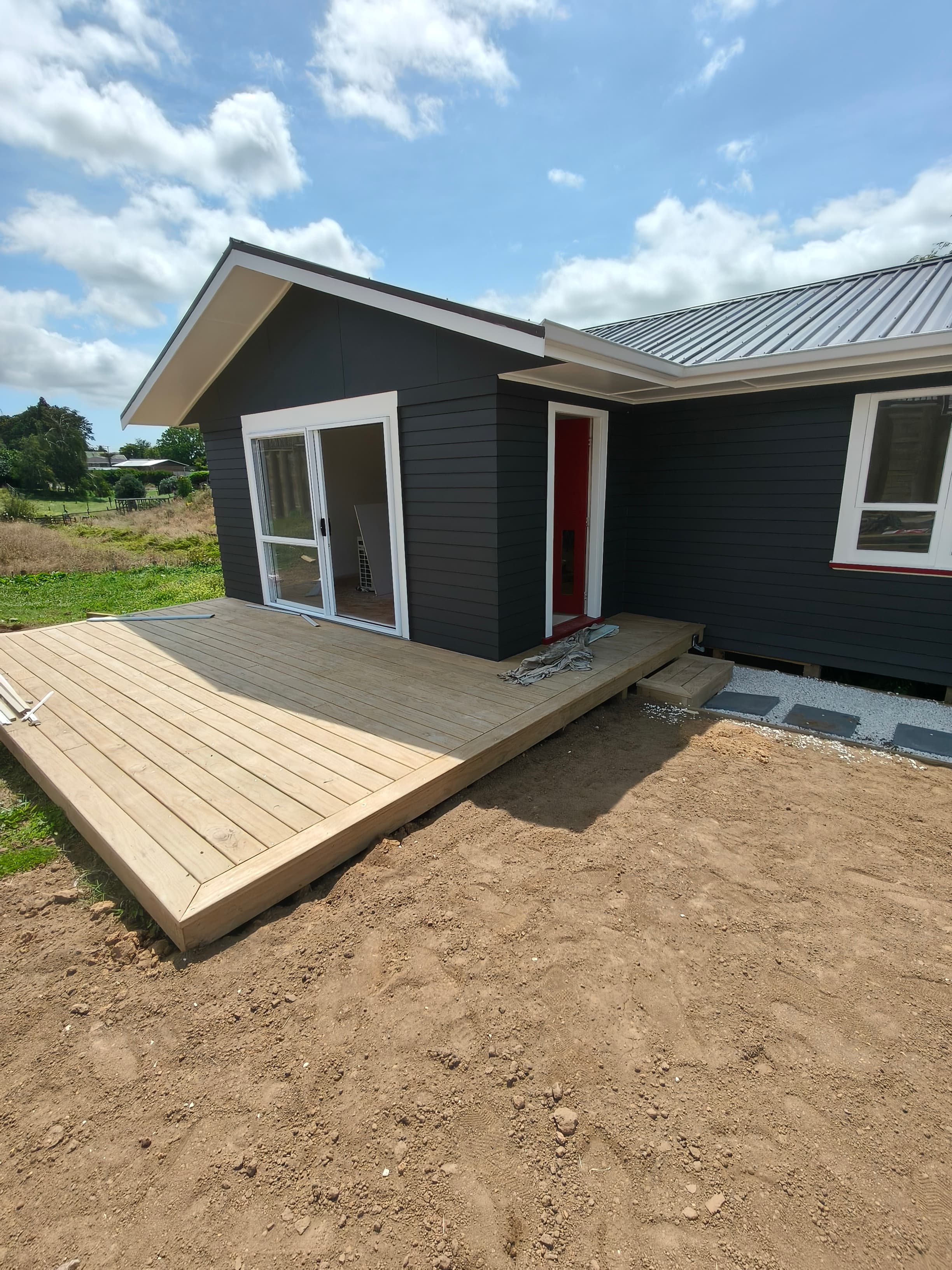
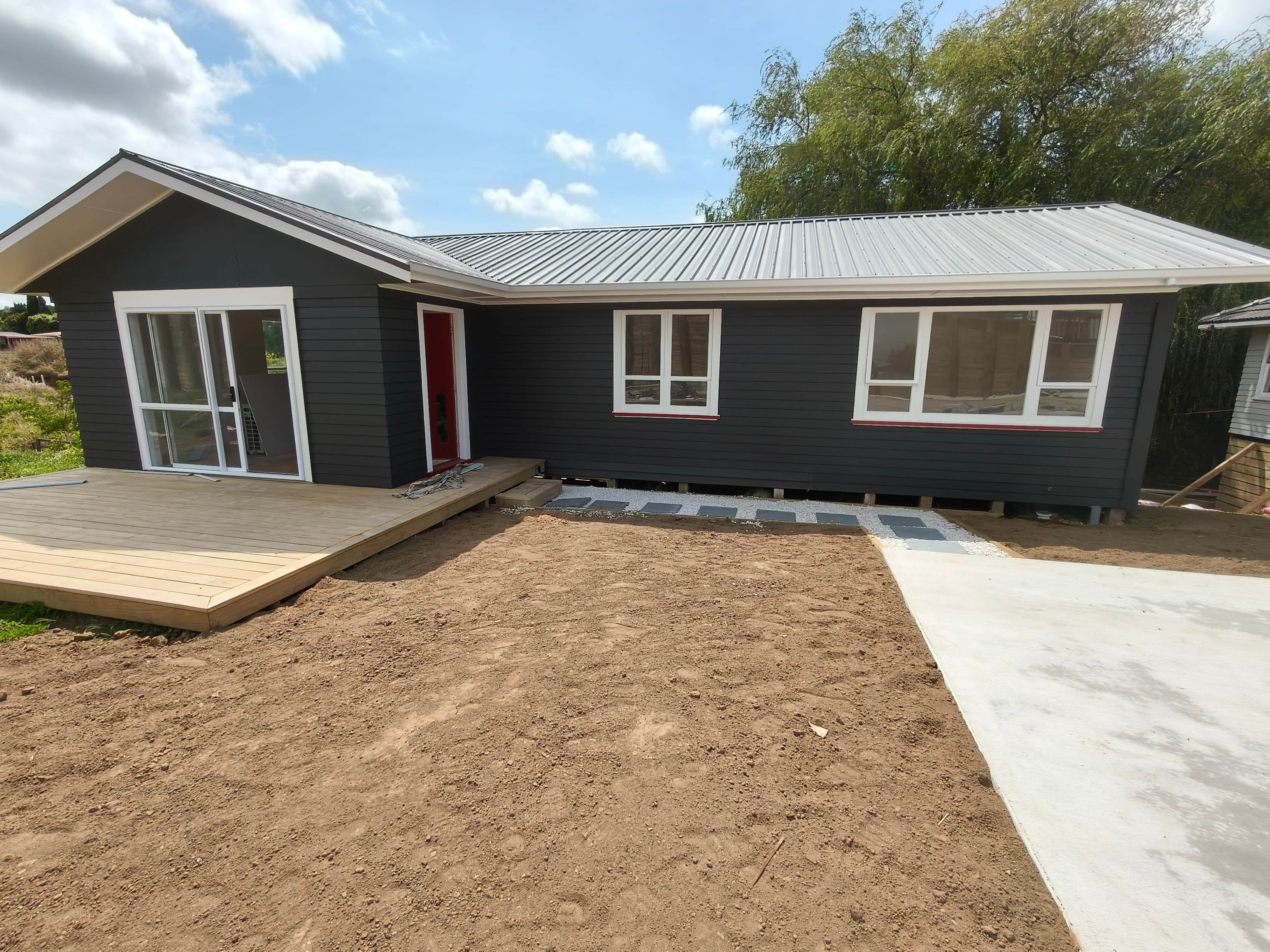
7. Outcome — a family home
The endpoint is not only a spreadsheet win — it is a household moving into a home built from an old one, on the right section, to a standard you are proud of.
How FindMyProperty fits today
Our scoring today focuses on listed properties rather than bare land. If you want bare-section and relocatable workflows inside the product, Contact us — we prioritise from real investor feedback.
Pitfalls — do not go in blind
The project worked, but these are the failure modes that matter most — several of them nearly bit us too.
Land covenants
Some subdivisions prohibit second-hand dwellings to protect a uniform streetscape. Read title covenants before you fall in love with a section.
Council consenting variance
Relocated dwellings can attract heavier consent scrutiny than a vanilla renovation. Use designers who have done relocatable consenting before — generalists learning on your clock are expensive.
Transit insurance
Standard home policies do not cover a house on a truck. Specialist brokers, tight paperwork, and early engagement are non-negotiable. If you are stuck, Contact us; we can point you in the right direction.
Mover selection
House relocation is its own trade. Track record beats a cheap quote — mistakes damage structure, timelines, and budget.
Geotech before piles
Commission geotechnical investigation early. Soil surprises after set-down are the expensive kind.
You do not have to figure this out alone
Covenants, consenting, insurance, geotech, piles, and movers interact. Weakness in one lane spills into the others.
Through a full relocatable project we have built relationships with movers, designers, brokers, and engineers who understand this niche. That network is available to people who work with us.
If you are researching, already hold a section, or are weighing a specific dwelling — we are happy to talk it through.
Explore a relocatable project
Whether you are early in research or ready to move, Contact us — we can help you sequence the specialist steps with experience from having done it ourselves.
See it in action
Browse AI-scored NZ investment properties with full financial breakdowns.
Browse propertiesMore ways to get started
Plans, local team contact, and background on who builds FindMyProperty.
More Articles
Why Non-Bank Lending Matters for Property Traders and Rental Investors in New Zealand
Non-bank lending can be a practical advantage in New Zealand when LVR speed limits and serviceability rules make mainstream funding too rigid. Here's what to compare and what to have ready before you apply.
Read →📰What the Headlines Are Really Telling NZ Property Investors
We surveyed the major publications — from NZ Herald to Bloomberg, RNZ to Cotality — and found three themes every serious investor needs to understand right now.
Read →