The Data Edge: How Smart Kiwi Investors Are Winning NZ's Best Affordability Window in Nearly a Decade
New data from Cotality confirms New Zealand housing affordability has reached its most favourable level in almost ten years. The investors who will actually profit aren't watching the news — they're using technology to act faster.
The bottom line
New Zealand's value-to-income ratio has fallen to 7.2 — the lowest level since 2016. Lower property values, rising incomes, and falling mortgage rates have moved in the same direction simultaneously. For the first time in years, a genuine affordability window has opened. The investors who will profit from it are the ones using data and technology to move with precision — not the ones waiting for certainty.

The Window That Most People Will Miss
Here is a statistic that deserves far more attention than it is getting: according to Cotality NZ's Housing Affordability Report released this month, New Zealand's national value-to-income ratio has fallen to 7.2 — the lowest level since a brief period in 2019 and before that 2016. For context, the long-run average sits at 6.8. For the first time in years, we are within striking distance of normal.
Cotality NZ Chief Property Economist Kelvin Davidson put it plainly: lower property values, rising incomes, and falling mortgage rates have all moved in the same direction simultaneously — a convergence that rarely happens. National median property values sit at around $808,430, still roughly 17.5% below the peak of early 2022. The Reserve Bank cut the OCR six times through 2025, bringing it to a cycle-low of 2.25%.
Put simply: you can borrow more cheaply, prices are still well off their peak, and wages have been catching up. That combination has not existed in New Zealand since before most first home buyers even started seriously saving.
And yet, despite all of this, the market has not surged. ANZ has downgraded its 2026 house price forecast to around 2%. interest.co.nz analysts note that the housing market "started the year with a fizzle." Auction clearance rates are running at just 39%. New listings and total stock are at their highest levels in over a decade. This is not a paradox. It is an opportunity — specifically, for the buyer who knows where to look.
Why the Market Is Flat Despite Perfect Conditions
Understanding why the market has not taken off is, counterintuitively, the most important thing a property investor can do right now. There are structural reasons for the stall. Housing supply has expanded considerably — building consents rose 14.8% in January year-on-year. Unemployment sits above 5%, and the psychological weight of economic uncertainty remains significant. A 2026 general election looms, with Labour campaigning on a capital gains tax — a policy that historically prompts buyers to pause, even if the underlying numbers favour action.
ANZ economists note that "longer-term mortgage rates are still high relative to rental yields, suggesting little impetus for prices to rise." Westpac has flagged that if the economy recovers faster than expected, the OCR could rise before year end, turning mortgage rates from a tailwind into a headwind. In other words: the window is open, but it has a closing mechanism. The investors who win in this environment are the ones who move with precision, not instinct — and that is where technology has become the decisive differentiator.
From 'Location, Location, Location' to 'Data, Data, Data'
The traditional way of buying investment property in New Zealand has always been part art, part gut feel. Drive the suburb, ask your mortgage broker, rely on the agent's assessment of comparable sales. That approach served Kiwi investors reasonably well in a bull market. In a flat, complex, data-driven one, it leaves money on the table.
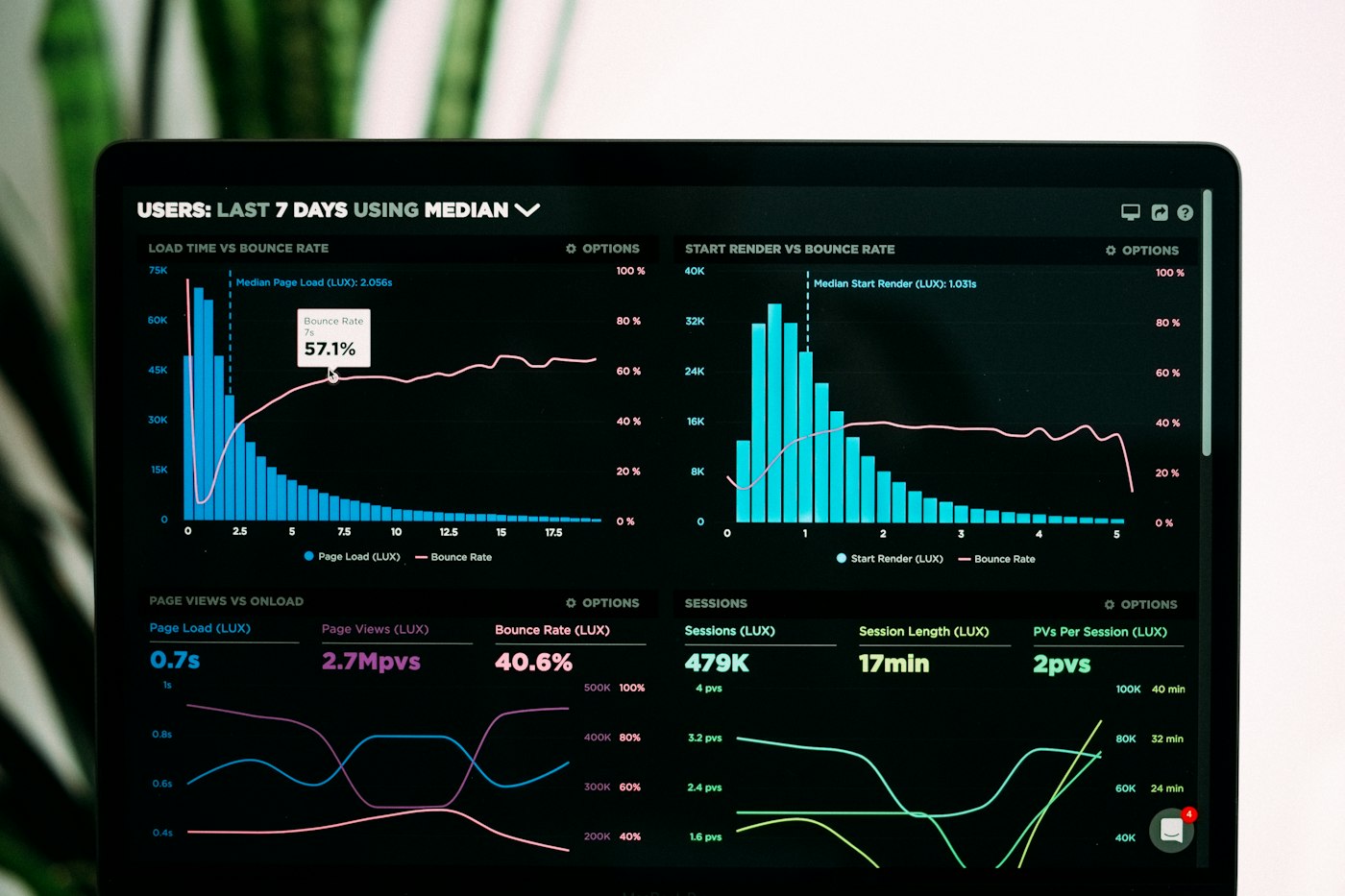
The global PropTech sector has fundamentally changed what is possible. AI-driven Automated Valuation Models now process thousands of variables simultaneously — micro-local data including walkability scores and school zone overlays alongside macroeconomic inputs like interest rate trajectories, regional migration data, and employment trends. What once required a team of analysts and weeks of research is now available in seconds.
For New Zealand investors, this matters enormously because the market is deeply regional. While Auckland and Wellington are still underperforming — Wellington's values are down nearly 27% from their 2021 peak — Southland and Canterbury are at or near record highs. A national average tells you almost nothing useful. A suburb-level data lens tells you everything.
The Five Technology Levers Serious NZ Property Investors Are Pulling Right Now
1. AI-Powered Suburb Screening
The most time-consuming part of property investment has always been identifying where to buy before you even start looking at individual properties. AI tools now allow investors to run suburb-level analysis across hundreds of New Zealand locations simultaneously — scoring areas against yield history, affordability trends, infrastructure pipeline, and demand-supply balance. Cotality's hedonic Home Value Index draws on millions of data points to produce accurate suburb-level valuations rather than blunt regional averages.
2. Mortgage Rate Scenario Modelling
With ANZ, Westpac, and BNZ all forecasting at least one OCR increase before the end of 2026, the question of when to fix — and for how long — is arguably the most consequential financial decision a borrower can make this year. Online mortgage calculators are evolving beyond simple repayment schedules into full scenario modellers that stress-test your portfolio against multiple rate futures. Investors who model their cash flows under both a 'rates hold' and a 'December OCR hike' scenario before purchasing are making fundamentally better decisions.
3. Automated Rental Market Intelligence
Advertised rents on Trade Me Property dropped 3.1% in January year-on-year, with the biggest falls in Wellington. But rental markets are hyper-local. AI-augmented platforms are increasingly mapping rental yield data — vacancy rates, average days to let, advertised vs achieved rents — at a street level. For the investor calculating gross yield before purchase, this means replacing a real estate agent's estimate with independently sourced data from actual bond lodgements.
4. Portfolio Risk Stress-Testing
Institutional investors have stress-tested property portfolios against economic scenarios for years. AI has brought this capability to individual investors. Tools now allow you to model your portfolio performance across scenarios including a 1% OCR rise, a 10% correction in property values, a 15% drop in rental income, or some combination of all three — previously the exclusive domain of investment banks and large property funds.
5. Overseas Investment Act Compliance Tools
From 6 March 2026, sweeping reforms to New Zealand's Overseas Investment Act came into effect, allowing holders of Active Investor Plus visas to acquire residential land valued above NZD $5 million with streamlined OIO approval. Foreign interest in New Zealand assets has reportedly surged. Technology platforms that flag foreign buyer activity, development site listings, and zoning change proposals give local investors an early warning system that previously only existed inside the networks of large agencies.
The Smarter First Home Buyer
It is not only experienced investors who are leveraging the data edge. Cotality notes that first home buyers now account for a record 29% of recent purchases. Many are using the full return of LVR allowances to buy with deposits smaller than 20%. But the savvy first home buyer of 2026 is doing more than simply applying for a mortgage.
- Running independent suburb analysis before speaking to an agent
- Comparing mortgage products across multiple lenders using rate-comparison platforms, not just their bank's offer
- Using yield and affordability calculators to establish a genuine maximum purchase price based on cash flow, not just borrowing capacity
- Setting up automated listing alerts that notify them the moment a property meeting their criteria comes to market — often before it has been widely marketed
Cotality data point
Saving for a deposit currently takes four years less than it did at the market's peak in 2021. That improved affordability metric is real — but it only creates wealth for buyers who move with enough precision to find the right property, at the right price, in the right suburb.
The Election Factor: Using Technology to Navigate Policy Uncertainty
New Zealand heads to a general election later in 2026, and housing policy is already a central battleground. Labour's capital gains tax proposal has unsettled some buyers, while National points to the full restoration of mortgage interest deductibility and streamlined overseas investment rules as pro-investor achievements. The honest reality is that election-year housing policy uncertainty is not a reason to sit on the sidelines indefinitely — historically, the uncertainty resolves and markets adjust.
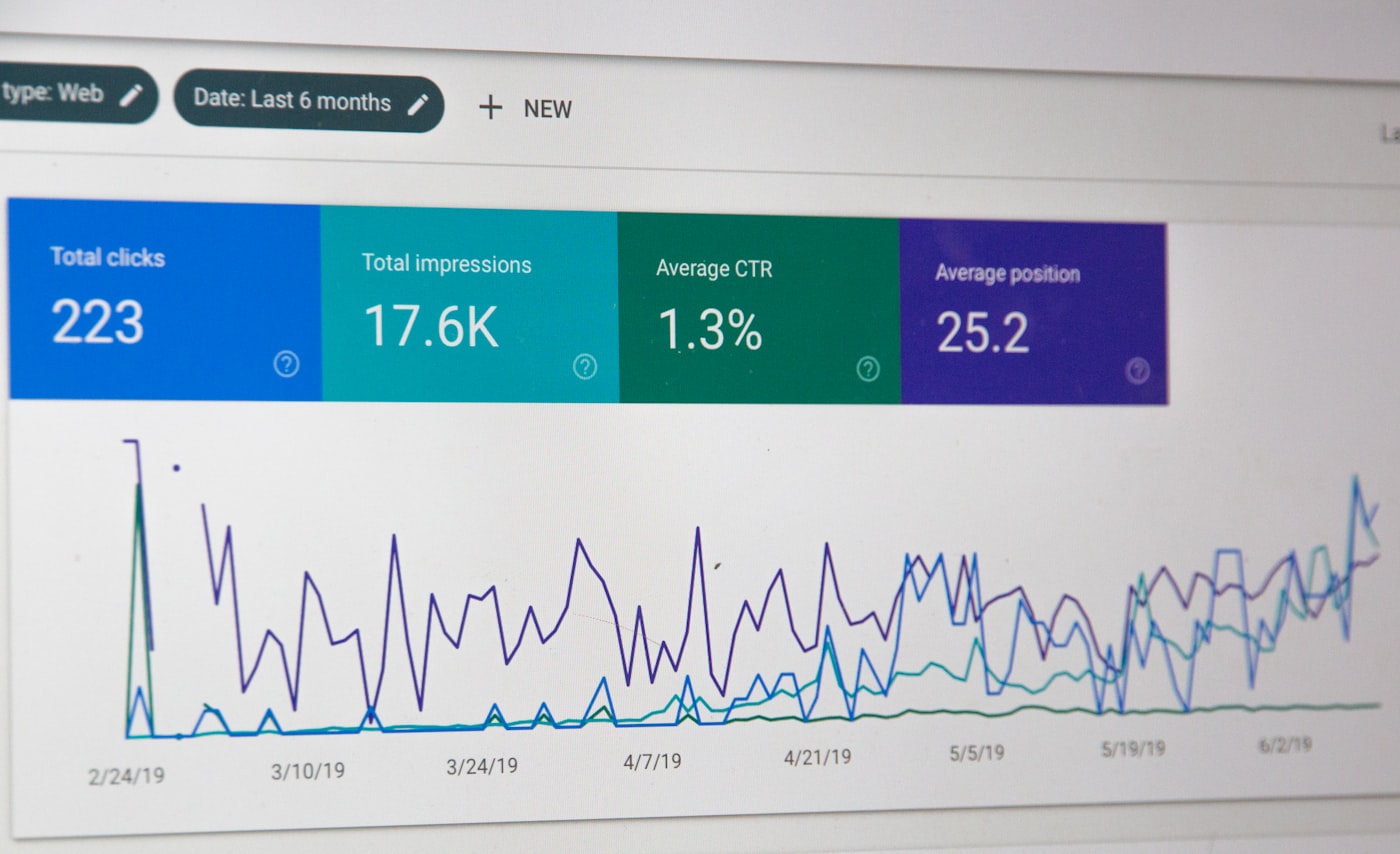
AI tax modelling tools allow investors to calculate exactly what a capital gains tax would mean for their specific portfolio composition and investment horizon. Rather than reacting to headlines, investors who have already run the numbers can make rational decisions about their strategy regardless of which party wins.
What the Data Is Actually Saying About 2026
| Metric | Current Reading | Context |
|---|---|---|
| NZ Value-to-Income Ratio | 7.2 | Best since 2016; long-run average 6.8 |
| National Median Value | ~$808,430 | Down 17.5% from 2022 peak |
| Reserve Bank OCR | 2.25% | Held Feb 2026; potential hike late 2026 |
| 1-Year Fixed Mortgage Rate | ~4.0–4.5% | Down significantly from 7%+ peak |
| First Home Buyer Share | 29% | Record high (Cotality) |
| New Listings / Stock | Decade highs | Strong buyer's market conditions |
| Building Consents (Jan) | +14.8% YOY | Strong supply pipeline |
“The window is open. The data says so. The question is who is paying attention.”
Finding the Edge with FindMyProperty.co.nz
The difference between a good property investment and a great one has always been information asymmetry — knowing something the other buyer does not, or knowing it sooner. For decades, that asymmetry favoured real estate professionals and experienced investors with established networks. Technology has democratised that edge.
Whether you are a first home buyer trying to break into the market before affordability deteriorates, or an experienced investor looking to add to your portfolio while prices are suppressed below the 2022 peak, the tools to research smarter, decide faster, and invest with greater confidence are available right now. At FindMyProperty.co.nz, we combine comprehensive listing data, AI photo analysis, real rental yield data from MBIE bond records, and scenario modelling into a single interface — so you can act with precision in exactly this kind of market.
Sources
Cotality NZ Housing Affordability Report Q4 2025 (March 2026); interest.co.nz; ANZ Property Focus March 2026; Westpac NZ Economics; Opes Partners Interest Rate Forecast March 2026; NZ Herald Property; REINZ January 2026 Data.
Disclaimer
This article is intended as general information only and does not constitute financial advice. Property investment involves risk. Please consult a qualified financial adviser before making investment decisions.
Frequently Asked Questions
What is New Zealand's housing affordability ratio in 2026?+
New Zealand's national value-to-income ratio has fallen to 7.2 — the lowest level since 2016. The long-run average is 6.8, meaning affordability has improved significantly from recent peaks, driven by lower property values, rising incomes, and a falling OCR.
Why is the NZ property market flat despite falling interest rates?+
Several structural factors are suppressing activity: elevated housing supply (building consents +14.8% YOY), unemployment above 5%, a looming general election with capital gains tax uncertainty, and longer-term mortgage rates that remain high relative to rental yields. The conditions favour buyers, but cautious sentiment is delaying broad market participation.
What is the OCR forecast for New Zealand in 2026?+
The Reserve Bank held the OCR at 2.25% in February 2026 after six cuts through 2025. ANZ, Westpac, and BNZ have all flagged the potential for at least one OCR increase before year-end 2026 if the economy recovers faster than expected, which could push one-year fixed mortgage rates higher from their current 4.0–4.5% range.
How is AI changing property investment for Kiwi investors?+
AI tools now enable suburb-level screening across hundreds of NZ locations simultaneously, rental yield modelling from real bond data, renovation cost estimation from listing photos, portfolio stress-testing against multiple economic scenarios, and automated listing alerts. Platforms like FindMyProperty.co.nz bring institutional-grade analysis to individual investors.
What are the best NZ regions for property investment in 2026?+
Regional NZ markets offer compelling value. Southland and Canterbury are at or near record highs in terms of performance. Palmerston North, Manawatu, Whanganui, and Gisborne consistently deliver strong rental yields (5.5–7%+ gross) due to lower purchase prices. Auckland and Wellington lag nationally but offer long-term capital growth potential for patient investors.
See it in action
Browse AI-scored NZ investment properties with full financial breakdowns.
Browse PropertiesMore Articles
War & Property: What the Iran Conflict Means for New Zealand Investors
The Iran conflict is reshaping global markets. We analyse how wars have historically impacted property values — and what smart New Zealand investors should do right now.
Read →📊How We Score NZ Investment Properties
A transparent look at the AI scoring methodology behind FindMyProperty.co.nz — from renovation cost estimation to composite investment scores.
Read →